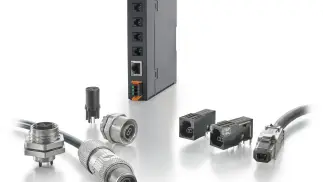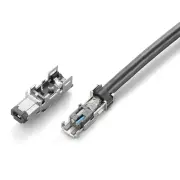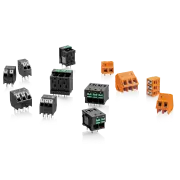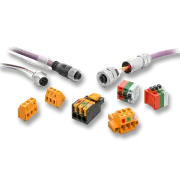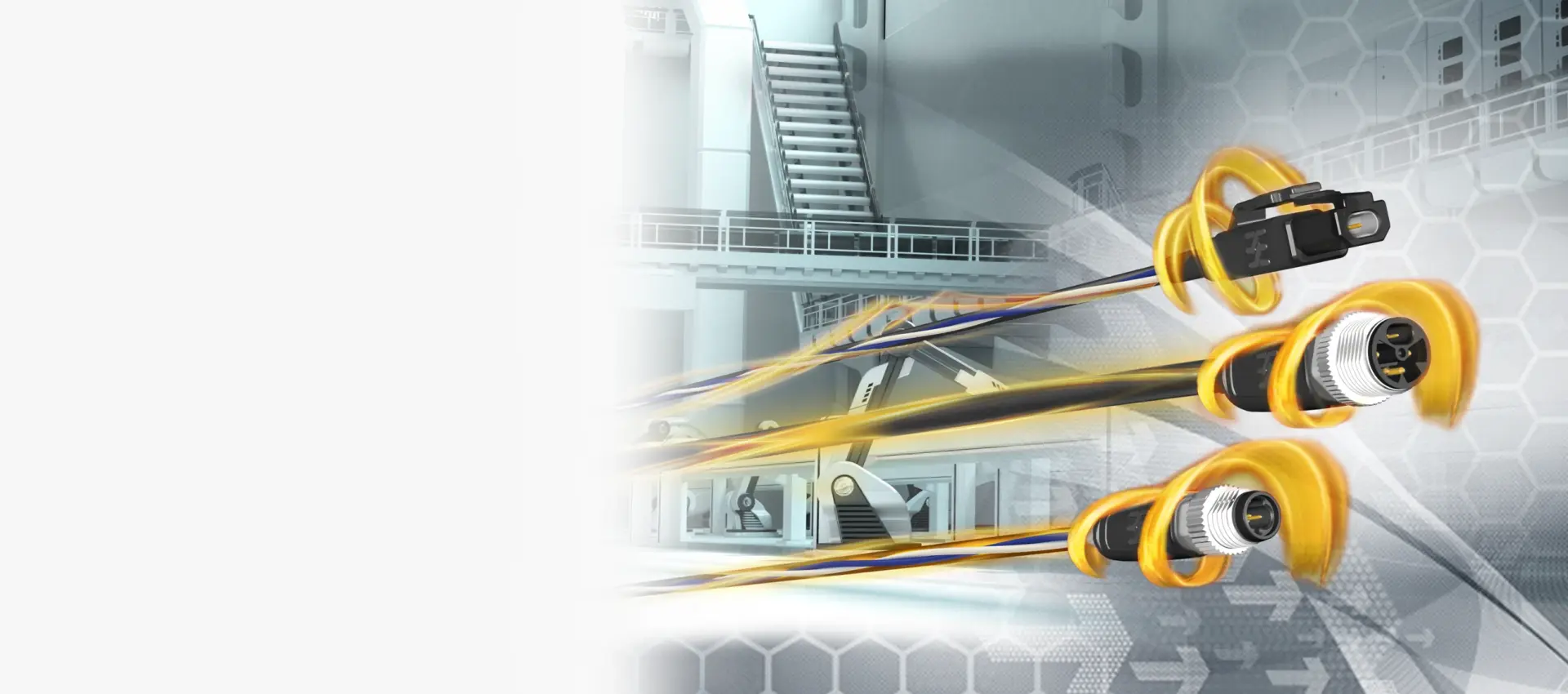
Single Pair Ethernet (SPE) brings Ethernet right down to the field level – using just a single pair of wires and offering transfer rates of up to 1 Gbit/s, acting as an enabler for the Industrial Internet of Things. SPE thus connects sensors, actuators and systems seamlessly all the way to the cloud, whilst also enabling IP-based communication at the field level. Lighter cables and more compact interfaces that take up less space make SPE a future-proof technology for industrial communication.
Discover the advantages of SPE, our range of products compliant with IEC 63171-7 ED2, and solutions for your application; relevant standards include, for example, IEC 63171 and IEEE 802.3.
This is a YouTube video. By clicking on this video, you agree to Google/YouTube's Privacy Policy & Terms of Use . You also agree to our Privacy Policy.
The increasing level of digitalisation in industrial plants calls for the further development of existing Ethernet cabling, with digitalisation acting as a driver that raises the requirements for availability, speed and security. For sensors and local, modular control units in particular, conventional cabling concepts are no longer able to meet the new demands with regard to space requirements and installation effort.
One solution is Single Pair Ethernet (SPE), an Ethernet standard for data transmission via a single wire pair. Single Pair Ethernet is developed to simplify and improve data transmission in industrial applications by providing a simple and cost-effective way to build Ethernet networks over existing cables.
Single Pair Ethernet technology enables a seamless and cost-effective connection between a wide range of end devices in the Industrial IoT, from field sensors right through to the cloud, thereby also laying the foundations for the Internet of Things and the connectivity of field devices.
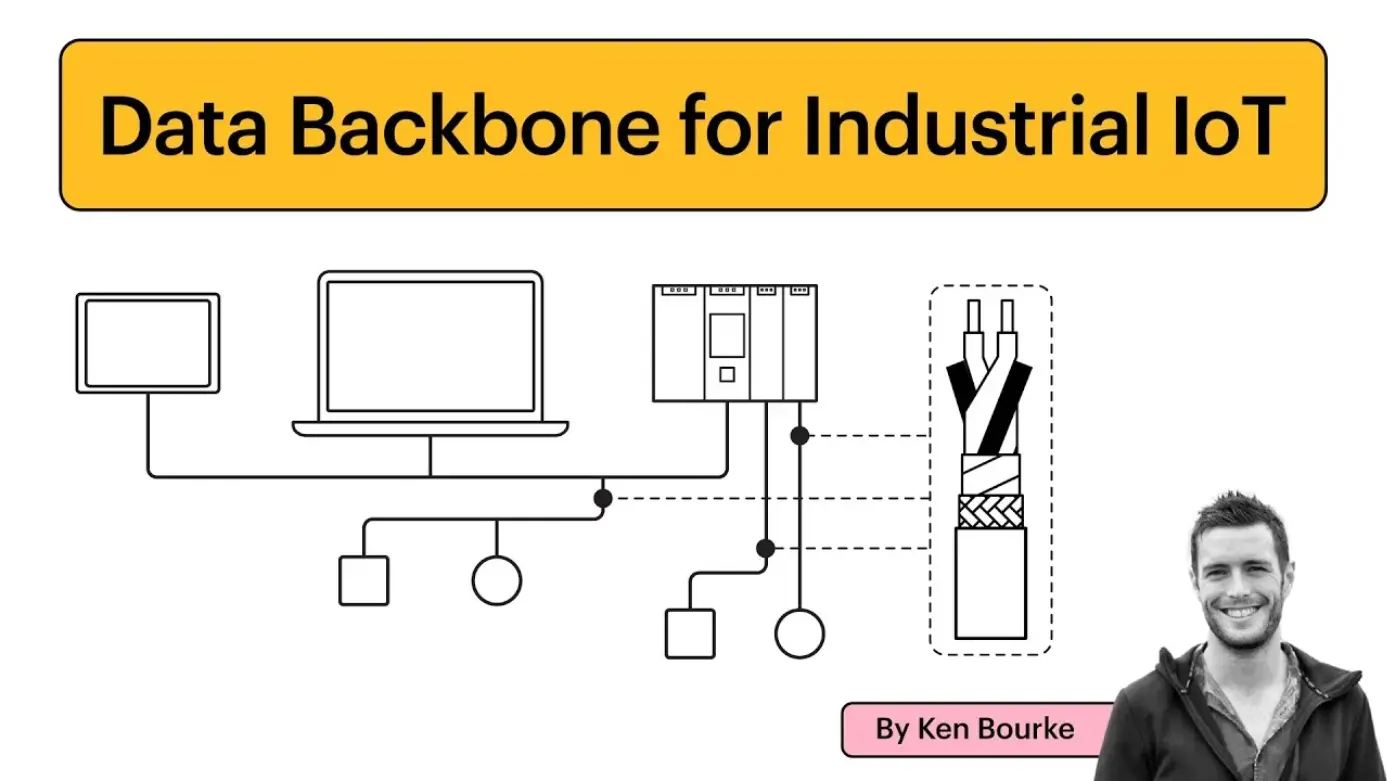
This is a YouTube video. By clicking on this video, you agree to Google/YouTube's Privacy Policy & Terms of Use . You also agree to our Privacy Policy.
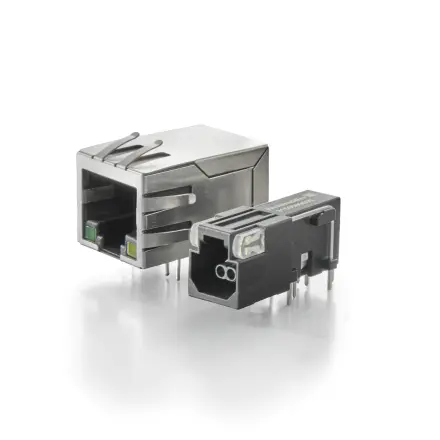
Reduces the space required by 33 per cent compared with RJ45 – allowing for significantly more ports on the same PCB; it also reduces weight, as SPE cables can be up to 1.6 kg lighter than standard Ethernet cables.
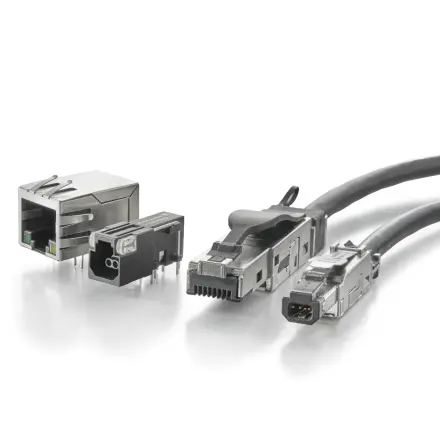
Familiar haptics and interface ensure intuitive installation and maintenance – just like RJ45.
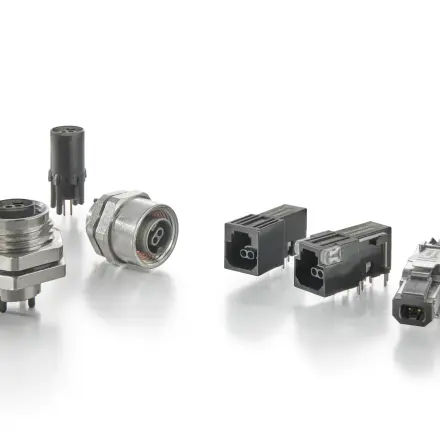
A uniform interface for IP20, IP67 and hybrid applications.
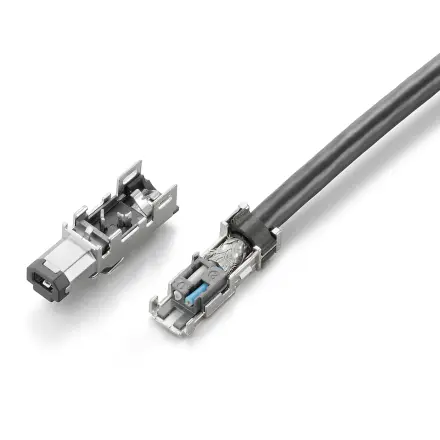
Reliable, space-saving connectivity and easy handling with field-attachable connectors.
We are adapting our SPE portfolio to the new IEC 63171-7 ED2 standard; the first SPE standard, IEC 63171-6, was published back in 2020. The expanded portfolio includes field-attachable plug-in connectors, patch cables, switches and PCB plug-in connectors.
A standardised connector system for PROFINET about SPE
A standardised SPE mating face in accordance with IEC 63171-7 ED2
The harmonised mating face for IP20, M8, M12 and M12‑Hybrid unlocks all the advantages of Single Pair Ethernet – interoperable, cross-manufacturer and future-proof. It reduces planning risks, simplifies integration and speeds up roll-out. Start planning now – with Weidmüller as your strong partner at your side.
Standard for PROFINET over SPE – and supported across the industry:
For PROFINET over SPE, the mating face is already defined as standard in the guidelines in accordance with IEC 63171‑7 ED2. This provides clear guidance for equipment and system manufacturers. At the same time, PI, ODVA, OPC Foundation and FieldComm Group are working together in a joint working group to promote consistent SPE standardisation – including PoDL performance classes and suitable plug-in connectors – in order to ensure interoperable, manufacturer-independent solutions from the field level to IT.
Universally connectable – entry into the IEC 61158 series
The integration of SPE into the IEC 61158 series is underway. This means that the mating face will be universally incorporated into future fieldbus specifications and will become centrally relevant for all user organisations – PROFINET International, ODVA, OPC Foundation and FieldComm Group. In short: the future mating face that is recognised by all relevant user organisations.



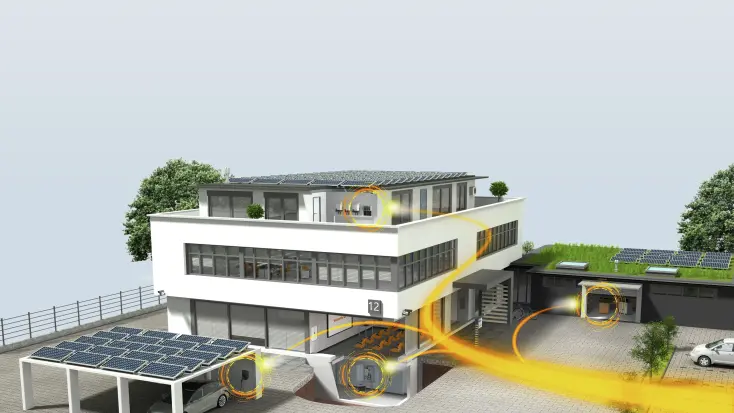
Single Pair Ethernet (SPE) is an Ethernet technology that enables end-to-end connectivity from the sensor to the cloud. Unlike traditional Ethernet, SPE transmits data over a single pair of wires, thereby reducing cabling requirements, space requirements and installation effort.
SPE uses symmetrical transmission and enables simultaneous data and power transmission over a single pair of wires (Power over Data Line, PoDL). Depending on the SPE standard, transfer rates of 10 Mbit/s to 1 Gbit/s and ranges of up to 1,000 m are possible.
This makes SPE particularly well-suited to the Industrial IoT and Industry 4.0, as even the bottom field level can be efficiently integrated into Ethernet networks. SPE is compatible with the higher-level protocol layers and enables end-to-end communication between sensors, controllers and higher-level systems.
Single Pair Ethernet reduces the amount of cabling and installation work required, as data – and, when PoDL is used, power as well – is transmitted via a single pair of wires. The compact cabling saves space and allows for easy integration at field level.
With transfer rates of up to 1 Gbit/s and ranges of up to 1,000 m, SPE is suitable for a wide range of industrial applications.
Single Pair Ethernet is part of the IEEE 802.3 family and comprises various PHY variants for different ranges and data rates:
Among other things, the IEEE standards define the physical signal transmission, data rate and range of the respective SPE variant. Depending on the application, suitable infrastructure components can enable transmission ranges greater than the standard 40 metres for 100BASE-T1 and 1000BASE-T1.
Yes. With Power over Data Line (PoDL), data and power can be transmitted over the same pair of wires. This eliminates the need for a separate power supply cable, thereby reducing the amount of cabling required, the space needed and the costs.
Depending on the PoDL model, different voltages and performance classes are available. This means that SPE is also suitable for a power supply for peripheral devices such as sensors and actuators.
Single Pair Ethernet is also based on Ethernet technology and uses the same higher-level Ethernet protocol layers. The key difference lies in the physical transmission: whilst traditional Ethernet typically has a high usage of several pairs of wires, SPE transmits data via a single pair of wires.
This allows for a more compact design of the cabling and interfaces. When used in conjunction with PoDL, data and power can also be transmitted over the same pair of wires. SPE is therefore particularly well suited to the efficient connection of sensors and other pieces of equipment at the field level.
Ethernet-APL is a specialised variant of SPE designed for the process industry. It was developed to meet the requirements of process automation and enables Ethernet communication over long distances whilst simultaneously providing a power supply.
SPE, on the other hand, is used in particular for applications in industrial and building automation. Both technologies are based on Single Pair Ethernet, but differ in terms of their physical properties, areas of application and requirements.
The automation community PROFIBUS & PROFINET International (PI), in which the electrical and connection technology company Weidmüller is one of over 1,800 members, has developed a uniform mating face for Single Pair Ethernet (SPE) based on essential application requirements and submitted it for international standardisation.
With its core technologies such as PROFIBUS and PROFINET, PI has responsibility for developing its market-leading, open standards for all areas of industrial production. With the agreement on a standardised mating face for Single Pair Ethernet, the industry is now taking a decisive step towards the future.
The new SPE connector system is defined in IEC 63171-7 ED2 and offers a standardised mating face for applications in control cabinets, in the field and for hybrid installations.
As a key driver of this technology, Weidmüller will expand its product family to include solutions featuring the new mating face. The new IEC 63171-7 ED2 standard introduces a harmonised mating face that can be used universally for different applications – from IP20 to IP67 and hybrid solutions. This makes design, planning and maintenance considerably easier.
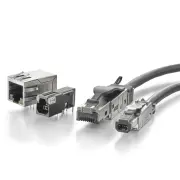
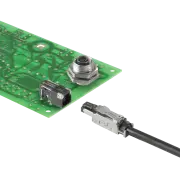
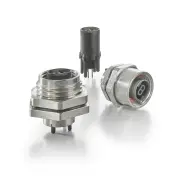
The expanded Weidmüller SPE range comprises:
The products are designed to comply with the new SPE plug face as specified in IEC 63171-7 ED2.
From September 2026, Weidmüller will be launching the first products featuring the new SPE connector faceplate in accordance with 63171-7 ED2.
This means that users have access at an early stage to a comprehensive SPE portfolio for the development and implementation of new applications – ranging from PCB connectors and field-attachable plug-in connectors to patch cables and switches.
The Single Pair Ethernet Association (SPEA) is an open consortium of leading technology companies and research institutions from various sectors. It brings together competence across the entire SPE value chain – from sensors, cables and plug-in connectors right through to semiconductors, switches and end devices.
SPEA’s target is to promote exchange and collaboration in the field of Single Pair Ethernet, to support interoperability, and to establish SPE as an end-to-end Ethernet technology in industrial applications.
In short: SPEA brings together key technology partners to drive forward the technical maturity, interoperability and widespread market acceptance of SPE.
Do you need more information about Single Pair Ethernet technology and SPE products from Weidmüller? We have compiled further information for you, which is available for download. Feel free to download our brochure or whitepaper to get exactly the information you need for your application fields. Use these resources to find the right Single Pair Ethernet solution for your individual needs.
Do you have questions about our products and solutions or would you like an individual offer? Simply fill out contact form. Our employees will contact you as soon as possible.